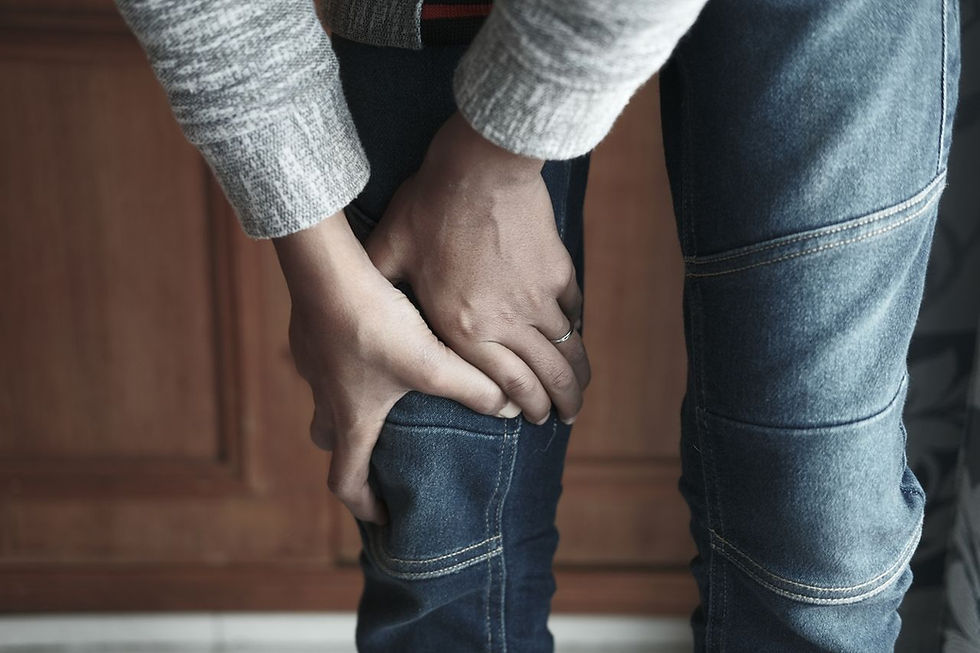
Summer Joint Pain in Park City: Causes, Relief Steps, and When to Consider PRP
- Dr John Hong

- Feb 14
- 6 min read
Make the Most of Park City Summers Without Agony
Summer in Park City is when the mountains really call. Trails dry out, bike parks open, golf courses green up, and the courts and fields stay busy late into the evening. If you love hiking, biking, golf, or pickleball, this is the season you wait for all year.
That is why joint pain in Park City can feel especially upsetting when the weather is perfect. Knees, hips, ankles, and backs often complain right when you finally have time to play more. Many people blame age, but that is only part of the story. Heat, altitude, and sudden activity spikes all put extra stress on your joints.
At Parkview Pain & Regenerative Institute, we look at summer joint pain with a stepwise, conservative mindset. Before talking about platelet-rich plasma (PRP) or other regenerative options, we focus on basics that make a big difference: smart hydration, thoughtful training load, anti-inflammatory habits, and good physical therapy. When those are dialed in, we can see more clearly what your joints truly need.
Why Summer Joint Pain Hits Harder in Park City
Park City sits at high altitude, and that alone changes how your body feels and recovers. The air is thinner and drier, which affects your circulation and fluid balance. Those subtle shifts can show up as stiffness, aching, and a feeling that your joints are “grinding” more than they did at lower elevation.
Altitude stress can lead to:
Faster breathing and heart rate
More fluid loss through your lungs and skin
Changes in how your tissues hold water
When you combine that with our dry mountain air, joints can feel less “cushioned.” Cartilage, tendons, and ligaments are still the same structures, but they are working harder in conditions that pull moisture out of your system.
Then add heat and summer habits. Long sunny days tempt us to stack activities: a morning uphill hike, afternoon bike ride, and evening walk down Main Street. Visitors may go straight from office life to full days on the Mid Mountain Trail. Even locals often ramp up quickly once the snow is gone.
That can mean:
More steps, more vertical gain, and more time on hard surfaces
Longer days between real rest breaks
Sweat loss that outpaces what you are drinking
Golfers may walk more holes than they do in cooler seasons. Parents may play extra rounds of pickleball or soccer with kids. By June through August, we see many people whose joints are simply overloaded and under-recovered. It is not only age, it is the sudden jump in demand on tissues that were not fully prepared.
Hydration and Nutrition Tweaks That Calm Irritated Joints
Hydration is one of the simplest levers for joint comfort at altitude. Your blood, synovial fluid, and soft tissues all depend on enough water and electrolytes to work well. When you are under-hydrated, joints can feel more stiff and irritated, and muscles tire faster, which shifts more strain into your knees, hips, and spine.
A basic high-altitude hydration plan might include:
Start the day with water before coffee or tea
Sip regularly instead of chugging only when thirsty
Add electrolytes on hikes or rides longer than an hour
Watch for dark urine, headaches, or leg cramps as warning signs
Food matters too. An eating pattern that calms inflammation can make your joints less sensitive to daily stress. You do not need a perfect “joint diet,” just consistent, simple choices.
Helpful basics include:
Lean protein with each meal to support muscle and tendon repair
Omega-3-rich foods like salmon, trout, chia seeds, or walnuts
Plenty of colorful fruits and vegetables for natural antioxidants
Limiting heavily processed snacks that stack up salt and sugars
Summer in Park City brings its own traps. It is common to finish a long ride, skip a real meal, and “fuel” on energy bars and a couple of cocktails on Main Street. That mix of alcohol, low protein, and poor hydration can leave joints puffy and sore the next morning.
Small swaps can help, like:
Eating a protein-rich snack within an hour of hard activity
Pairing any alcoholic drink with a glass of water
Planning simple, real-food lunches during all-day events instead of grazing on bars and chips
Smarter Training Loads for Pain-Free Summer Adventures
“Training load” sounds technical, but it is just the sum of how hard, how long, how often, and on what terrain you move. In Park City, it is easy to push that load up quickly. Trails are steeper, bike climbs are longer, and even walking around town can have more elevation than what you are used to.
Your joints do best when that load rises slowly. Cartilage, tendons, and ligaments adapt over time when stress increases in small steps. They get angry when the jump is too fast.
A simple progression approach:
Increase hiking distance or elevation by about 10 to 20 percent per week
Add one harder day on steeper trails, then follow with an easier, flatter day
Rotate sports: for example, hike one day, bike the next, then choose a lighter activity like gentle walking or pool work
Pay attention to early warning signs that your joints are not keeping up:
Morning stiffness that lasts more than 30 to 60 minutes
Swelling around a joint after activity
Pain that is worse that night and still strong 24 to 48 hours later
Those are signals to pull back, not to push through. Options include shortening your next outing, choosing smoother terrain, or switching to a lower-impact option like cycling instead of running for a few days. Smart changes early can prevent a minor flare from turning into a weeks-long setback.
Anti-Inflammatory Habits, Mobility, and PT Before PRP
Recovery is where your body actually gets stronger and more resilient. If you are active in Park City, a simple daily routine can help your joints keep up with our uneven trails and long descents.
A joint-friendly routine might feature:
Gentle mobility for hips, knees, and ankles, like controlled leg swings and ankle circles
Strength work for glutes and core, to help stabilize knees and low back on downhills
Light calf and hamstring stretching after activity, not aggressive “pulling”
Beyond movement, basic anti-inflammatory habits affect how your nervous system senses pain. Poor sleep, high stress, and constant late nights increase pain sensitivity and slow normal repair. Aim for regular sleep and quiet wind-down time, especially during your highest activity weeks.
Many people also do well with:
Short, targeted ice sessions after heavy joint loading if swelling is present
Gentle heat before activity if stiffness is a bigger issue than swelling
Relaxation strategies like breathing drills or easy walks on flat ground
Physical therapy can be a key link in this chain. A licensed physical therapist who understands mountain sports can design a program to correct movement patterns that overload certain joints. In some cases, that plan pairs well with minimally invasive interventional procedures to calm irritated structures so you can train and move with less pain. Often, this stepwise approach makes a clear difference without needing regenerative injections.
When It’s Time to Ask About PRP and Other Options
Even with good hydration, smart training, strong recovery habits, and quality PT, some people still struggle with joint pain in Park City. That is when it can make sense to ask about options like PRP.
PRP, or platelet-rich plasma, uses part of your own blood, concentrated to bring a higher level of platelets to the area of concern. Platelets carry growth factors that may support tissue healing and help reduce pain over time. At Parkview Pain & Regenerative Institute, physicians guide these injections with imaging and use tailored protocols. The goal is targeted care, not a one-size-fits-all “shot” that ignores your specific joint, history, and activity goals.
People who may be good candidates often share a few features:
Ongoing knee, hip, shoulder, or ankle pain that limits meaningful activities
A clear effort to dial in hydration, training load, and recovery habits
A completed or ongoing course of PT with only partial relief
Before deciding on PRP or other regenerative options, it is helpful to bring an activity log, any prior imaging, and PT notes to your visit. That gives your physician a full picture of how your pain behaves with real Park City life. From there, you can work together on a stepwise plan, which may mean more focused conservative care, targeted interventional procedures, or moving toward PRP as one part of a longer-term strategy to keep you active in the mountains you love.
Take The First Step Toward Lasting Joint Relief
If you are struggling with joint pain that limits your daily activities, we are here to help you find a clear path forward. Learn how we evaluate and treat joint pain in Park City with personalized, minimally invasive options tailored to your needs. At Parkview Pain & Regenerative Institute, we focus on uncovering the root cause of your pain so you can move more comfortably and confidently. Ready to talk with our team about your symptoms and goals? Simply contact us to schedule your visit.